
SAMOS consortium gather at the European Institute for Marine Studies in France for its midterm meeting and transverse skills workshop
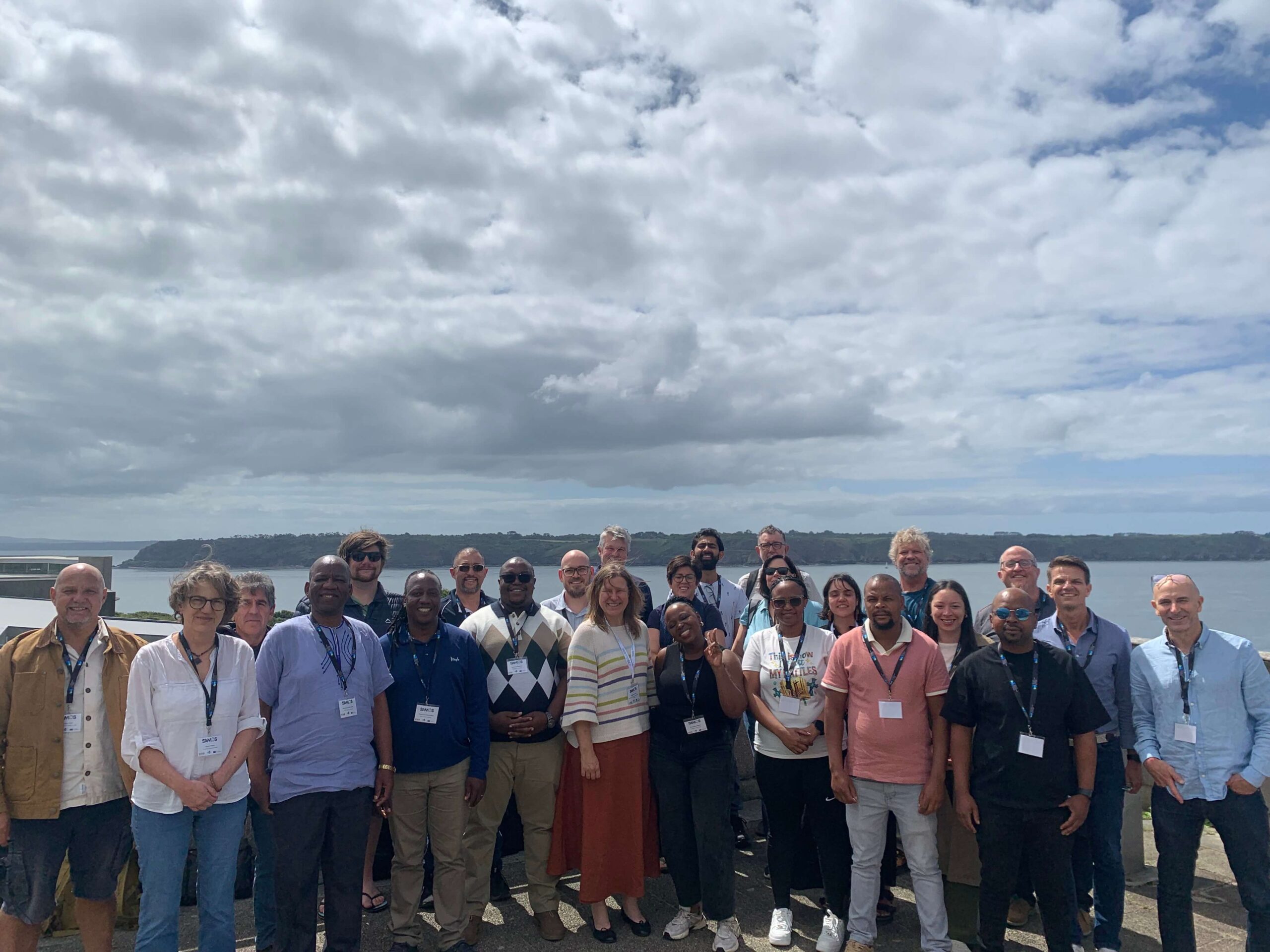
A year and a half has already passed since the launch of the Erasmus+ CBHE SAMOS project in February 2025. On this occasion, the consortium gathered at the European Institute for Marine Studies (IUEM) in Plouzané, France between 29 June and 3 July 2026 for a week dedicated to transverse skills and international collaboration as part of Work Package 1 and Work Package 5 activities of the project.
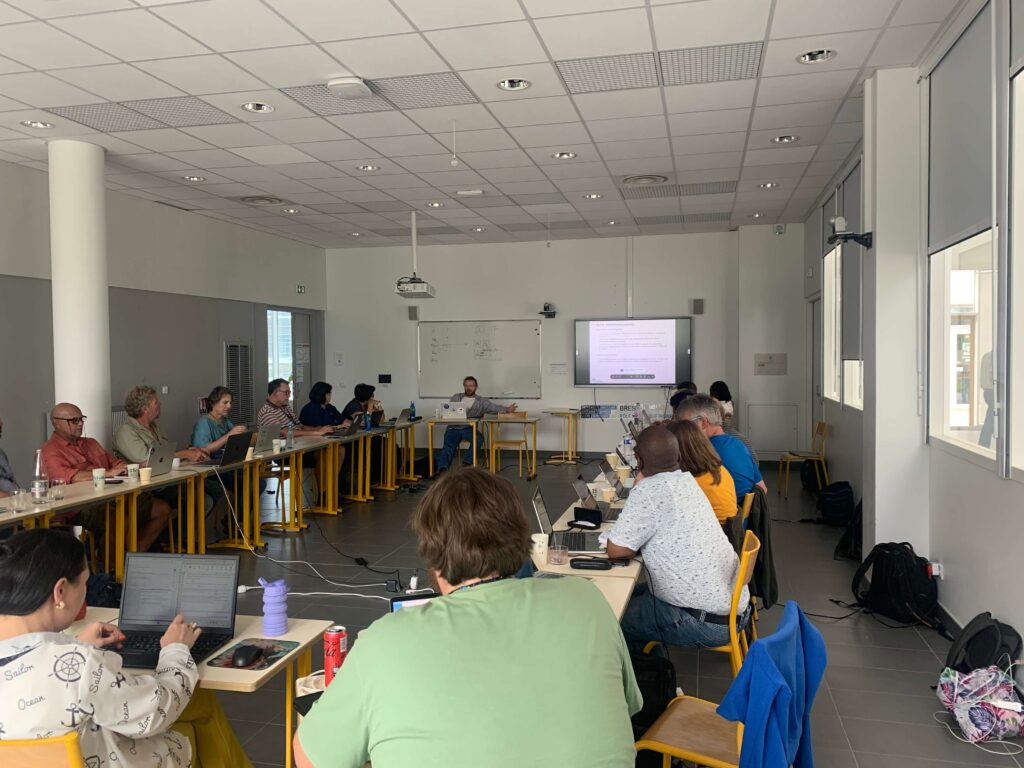
The week opened with a welcome address by Professor France Floc’h, Deputy Director of IUEM, who introduced participants to the institute’s multidisciplinary approach to marine education, research and observation. Her presentation was followed by introductions to some of the disciplinary fields trainings offered within the Marine and Coastal Sciences Master’s degree provided by Steven Herbette (Physics), Matthieu Waeles (Chemistry and life sciences), Thomas Leclerc (Law of maritime activities and spaces), and Gregory Charrier (Biology). The first morning concluded with the presentation of the Marine and Coastal Sciences Doctoral School by Philippe Pondaven.
During the afternoon, academics from the various institutions got the opportunity to exchange with counterparts from the Laboratory for Ocean Physics and Satellite remote sensing (LOPS) with Steven Herbette, the Laboratory of Environmental Marine Sciences (LEMAR) with Geraldine Sarthou and the Management of the Use of Marine and Coastal Resources and Areas laboratory (AMURE) with José Perez and Pascal Raux. A great moment to deepen their understanding of IUEM, exchange on current research activities, and identify potential synergies between laboratories in South Africa, Norway and France. Later in the day, Eliot Mercereau (UBO) provided participants with an update on project achievements and latest developments. The first day concluded with a welcoming cocktail.
Enhancing the AOS-SAMOS Master’s programme
A key objective of the meeting was to review the implementation of the AOS-SAMOS Master’s programme. Led by Louise Gammage from the University of Cape Town, discussions focused on feedback gathered from lecturers and students after the foundation courses of the programme. While feedback highlighted strong student engagement and overall satisfaction, participants also identified opportunities for improvement. Based on the findings, partners agreed on several refinements, including reorganising the sequence of the core modules to strengthen learning progression, introducing weekly tutorials for quantitative skills and improving assessment practices through standardised marking rubrics and closer coordination between teaching teams.
Exploring research funding opportunities
The programme also included a workshop on European research funding led by Gaël Hamon, Project Officer at the European Project Platform – Bretagne. Participants explored opportunities under Horizon Europe, in particular Pillar 1 Marie Skłodowska-Curie Actions (MSCA), Pillar 2 Global Challenges and European Industrial Competitiveness, and European Partnerships and received practical advice on calls and developing international research collaborations. A complementary presentation introduced the Hubert Curien Partnerships (PHC), with a particular focus on the PHC Protea programme supporting scientific cooperation between France and South Africa.
The second day concluded with a consortium dinner at the crêperie Beurre Salé where participants tasted Bretagne’s most famous dish !
Sharing research on ocean challenges
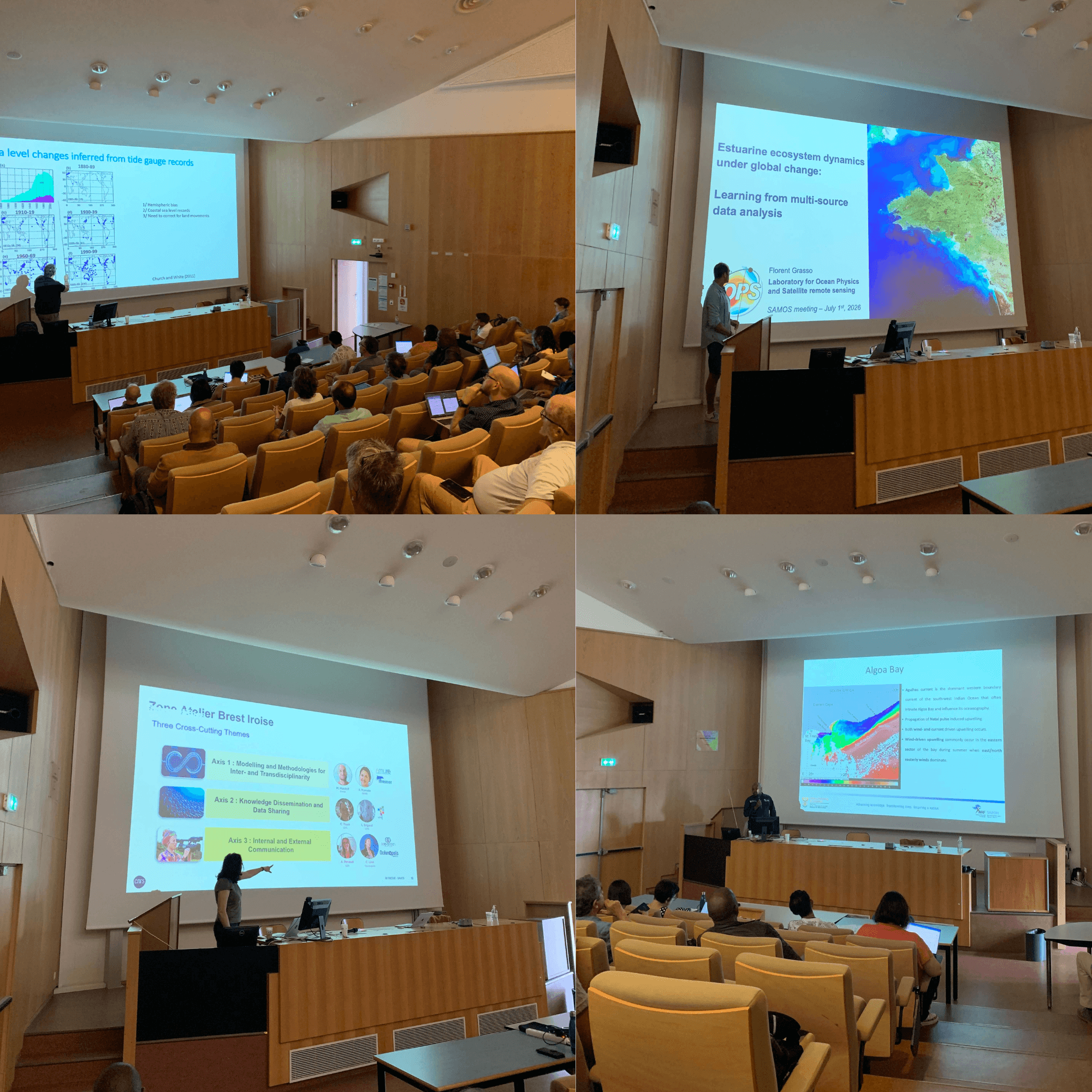
Scientific exchange formed another highlight of the week. Researchers from France and South Africa presented some of their work around the theme “Long-term Observation of Socio-Ecosystems.” Topics included sea-level rise by William Llovel (CNRS), marine pollution by Ntuthuko Masikane (University of Zululand), microplastic contamination in South African mangroves by Jaime Leigh Johnson (Cape Peninsula University of Technology), estuarine ecosystem monitoring by Florent Grasso (IFREMER), zooplankton dynamics in Algoa Bay by Mfundo Bizani (SAEON) and the TRESSE Research Infrastructure by Claire Tito de Morais (IUEM).
The presentations demonstrated the diversity of expertise across the SAMOS consortium. It opened space for discussion and reinforced the importance of international cooperation in addressing ocean challenges.
Teaching approaches at postgraduate level
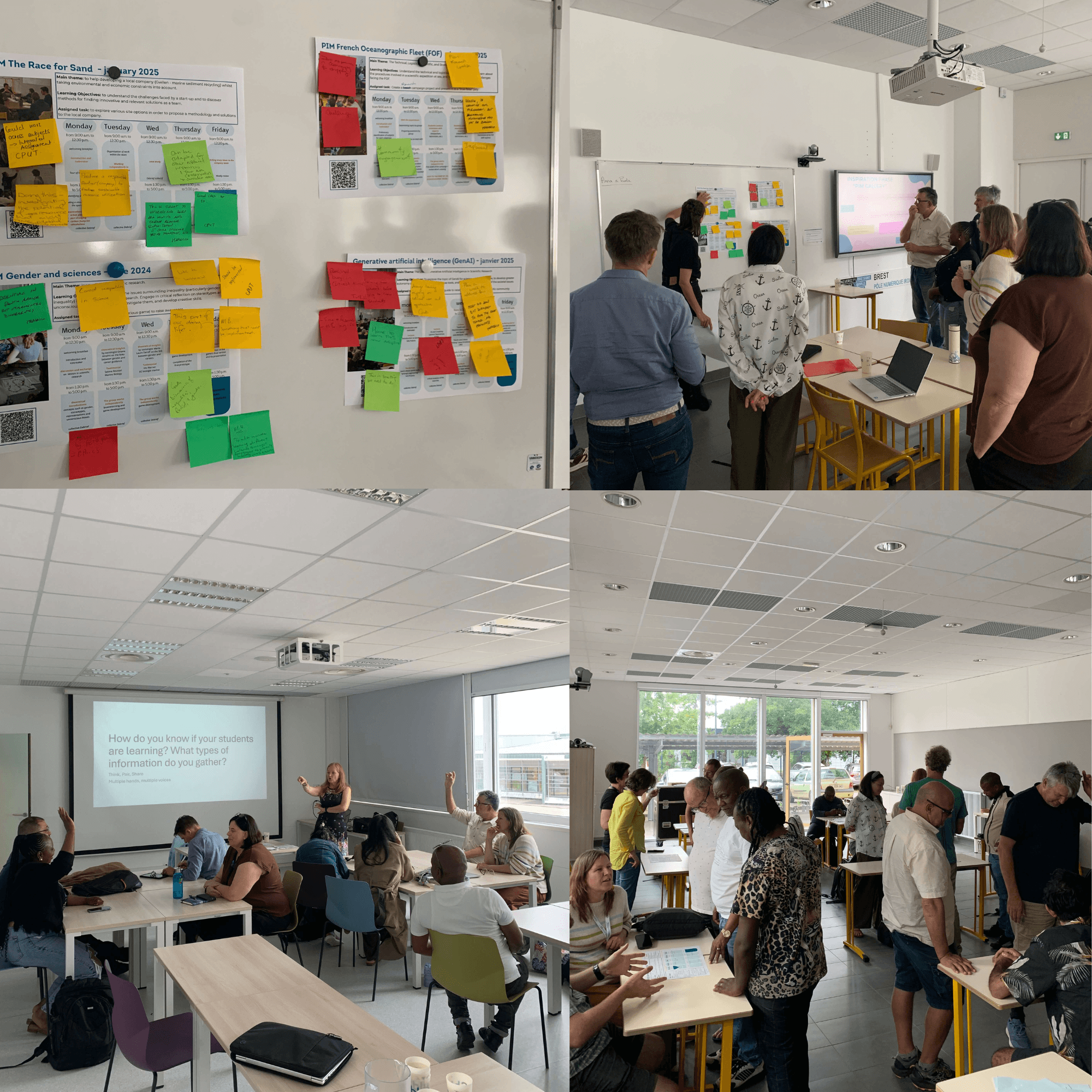
The fourth day focused on teaching practices. Through an interactive workshop led by Anna Bellego and Paula Jacque from the ISblue team at IUEM, participants explored the PIM (Interdisciplinary Collaborative Project) concept, a 5-days intensive course designed to develop interdisciplinary collaboration and soft skills among students from different higher education institutions and disciplines. After an introductory presentation, participants to the workshop proposed ideas and designed their own PIM projects in groups before presenting them during a dedicated forum at the end of the day. In parallel, the programme featured a workshop by Professor Sehoya Cotner from the University of Bergen on evidence-based assessment. Participants discussed challenges, pros and cons of different evaluation types, and how grading rubric can improve coherence and equity. The workshop also discussed how AI tools are transforming assessment methods, encouraging participants to reflect on innovative and effective assessment practices to support the learning progression of students.
Looking ahead
The week concluded with a Steering Committee meeting, during which partners reviewed project progress and upcoming milestones and activities, discussed long-term sustainability and explored future funding opportunities and scientific collaborations between South African and European institutions. Preparations also began for the next SAMOS Advisory Board meeting, scheduled for 1 December 2026.
The Brest meeting marked an important milestone for the SAMOS project, strengthening academic partnerships, refining the Master’s programme and reinforcing the shared commitment of South African and European partners to train the next generation of ocean scientists through international collaboration.

